Knowing poker pot odds calculation turns guesswork into a repeatable decision framework for any Australian player weighing a call. It is not about predicting the next card, but about comparing the price you are being offered against the actual likelihood your hand improves. When you treat each street like a small business decision, the noise drops away and the maths speaks clearly. That discipline matters just as much at a live table in rippercasino-signup.com Sydney as it does when you are reviewing a platform before depositing, because the same risk management habits carry across every session.
Once you grasp that fundamental ratio, you can consistently fold marginal hands when the math doesn’t justify the risk. For players looking to sharpen their theoretical foundation and practice these calculations in real time, a structured online poker course offers the guided repetition needed to make the process second nature. Over time, this disciplined approach transforms every tough decision into a straightforward evaluation of expected value.
Why The Maths Matters More Than The Hype
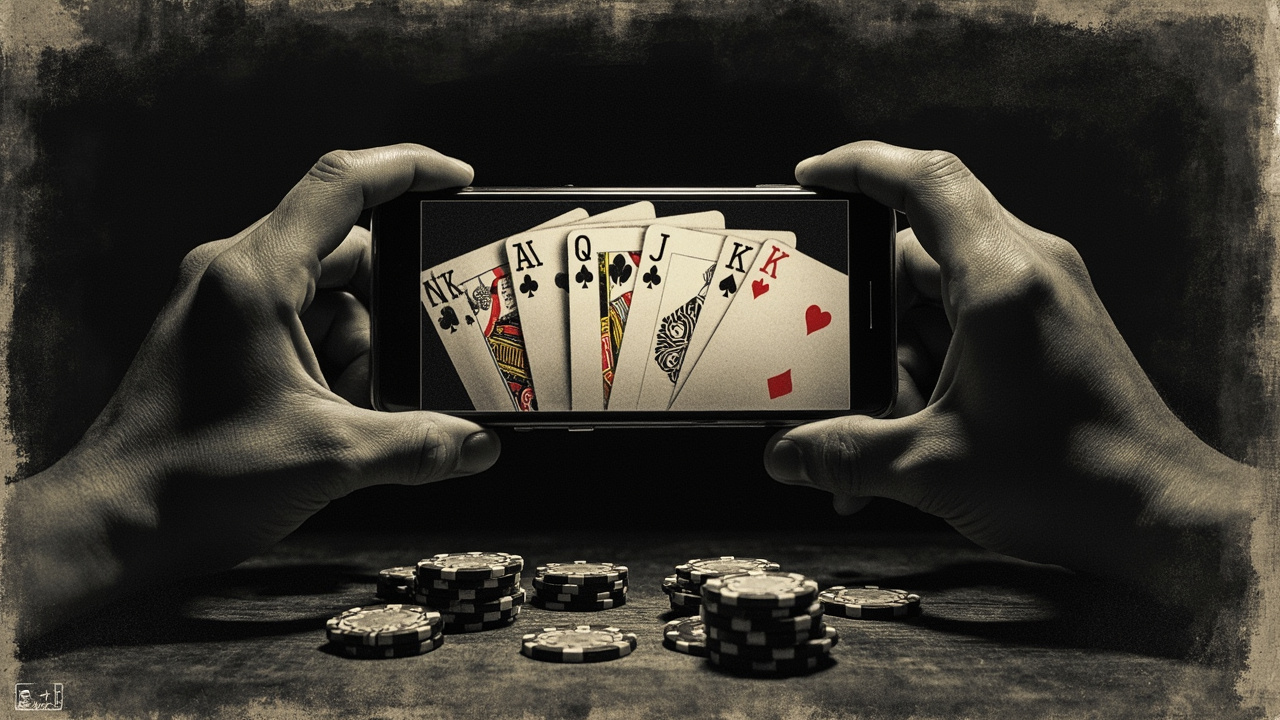
A solid grasp of poker pot odds calculation keeps you from chasing draws on emotion, which is where most casual players bleed chips over time. In my decade across SaaS and FinTech retention funnels, I learned that customers who understand their unit economics stick around longer, and poker works the same way: you need to know your break-even threshold before you commit capital. The skill shines when you are facing a big bet on the turn and your flush draw is still incomplete, because the raw probability tells you whether the call has positive expected value or whether you are simply funding the pot for someone else. Practical usability comes down to memorising a few key ratios and applying them without hesitation, so the decision feels routine rather than stressful. A platform that surfaces clear bet sizing and consistent table stakes makes that habit easier to maintain, and a transparent operator like mine-in-out-au.com tends to keep the numbers visible instead of burying them behind flashy promotions. The trade-off is that raw odds do not account for opponent tendencies, so a purely mechanical approach can still leave money on the table if you never adjust for tight or loose play styles.
- Count your clean outs by identifying exactly which remaining cards complete your hand.
- Multiply those outs by two on the turn, or by four on the flop, to estimate your quick equity percentage.
- Divide the amount you must call by the total pot after your call to find the price you are being offered.
- Compare your equity against that price and only proceed when the maths supports the risk.
Where The Numbers Meet Real Table Conditions
The real value of poker pot odds calculation shows up when you stop treating every draw as a coin flip and start pricing each street against the actual bet sizes in front of you. In FMCG and eCommerce, I spent years testing price elasticity, and the same principle applies here: a marginal call at one stack depth becomes a clear fold at another once the pot odds shift. That means a long-odds bluff catcher might be correct when the board is dry and your opponent is overfaced, but the same hand becomes a mistake once three players see a cheap flop and the implied odds evaporate. Everyday usability improves when you pre-calculate a few common scenarios, so you are not doing mental arithmetic while a timer is running down. A site that keeps registration quick and payments in Australian dollars removes friction from that routine, because you are not constantly converting currencies or waiting on slow withdrawals before your next session. The limit worth respecting is that pot odds are a snapshot, not a forecast, so they work best when paired with reads on timing tells and betting patterns rather than used as a standalone crystal ball.
The Trade-Offs You Should Not Ignore
Every player eventually learns that poker pot odds calculation has a ceiling, and that ceiling usually appears when stack sizes, tournament structures, or multi-way pots complicate the simple ratio you started with. My background in lifecycle marketing across iGaming and FinTech taught me that retention drops the moment a product overpromises simplicity, and poker is no different: the maths is clean on a heads-up river but gets messy when three opponents are chasing different draws and the effective stacks are shallow. You also need to accept that implied odds and reverse implied odds can swing a call that looks correct on paper, especially when a completed hand might still lose to a better one at showdown. Everyday usability means knowing when to trust the formula and when to step back and let table context override it, which is a skill that develops through repetition rather than a single lesson. A mobile-friendly interface that keeps the action visible on a phone screen helps you practise those judgements during a quiet arvo, but it does not remove the variance that comes with short-run play. The honest trade-off is that disciplined odds work rewards patience over time, yet it still requires bankroll limits and a willingness to fold when the price is simply wrong.mine-in-out-au.com
Building The Habit Without The Fluff
A lasting edge comes from treating poker pot odds calculation as a daily checklist item rather than a theory you revisit once in a while, because consistency is what turns a rough session into a manageable one. In growth work I have seen products succeed when they give users one clear loop to repeat, and poker rewards the same discipline: count your outs, price the call, compare the two, then act without second-guessing. That loop is easier to maintain when the platform you choose keeps the basics tidy, from straightforward sign-up steps to support that actually answers questions instead of bouncing you around a help centre. It also helps to remember that disciplined play has a long literary pedigree, since Dostoevsky wrote his novel The Gambler in 1866, partly to pay off his own gambling debts, which is a reminder that even sharp maths cannot rescue a player who ignores their own limits. A fair go at the tables comes from protecting your bankroll first and letting the odds guide individual decisions, not from chasing a big score to fix a bad run. When you keep the process simple, the results tend to settle in over time, and she’ll be right as long as you keep the maths honest and the sessions within your means.